
Oil prices are just the beginning: New Zealand could face three rate rises as a second round of inflation threatens mortgages
New Zealand’s interest rates have not changed recently. But markets have already begun reacting in anticipation

Property · Building · Design
New Zealand’s interest rates have not changed recently. But markets have already begun reacting in anticipation

In New Zealand, deciding whether to send a child to private school is often an unavoidable question that prompts repeated hesitation.
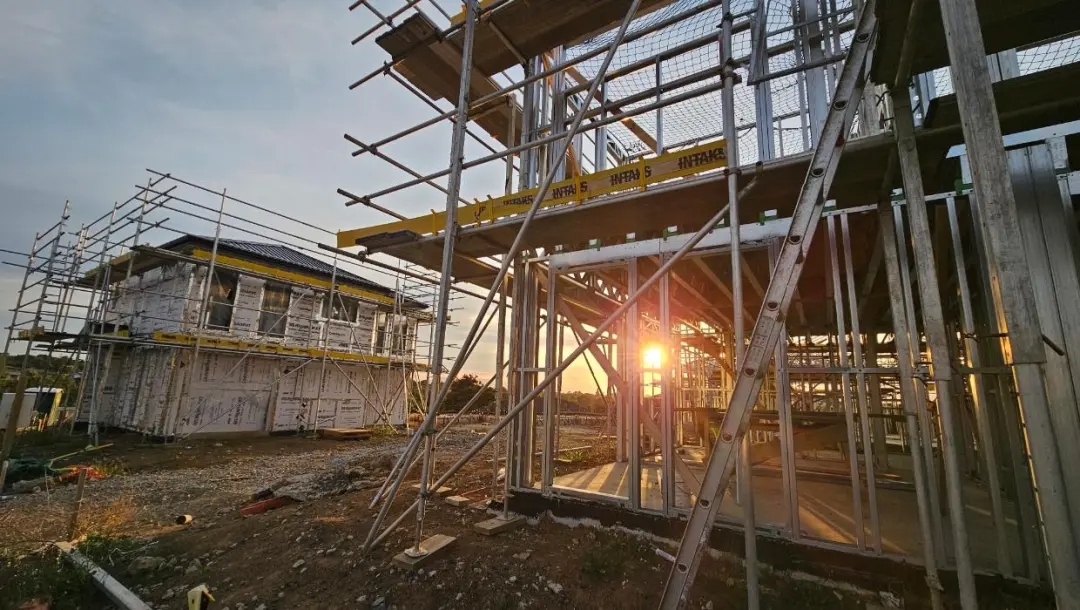
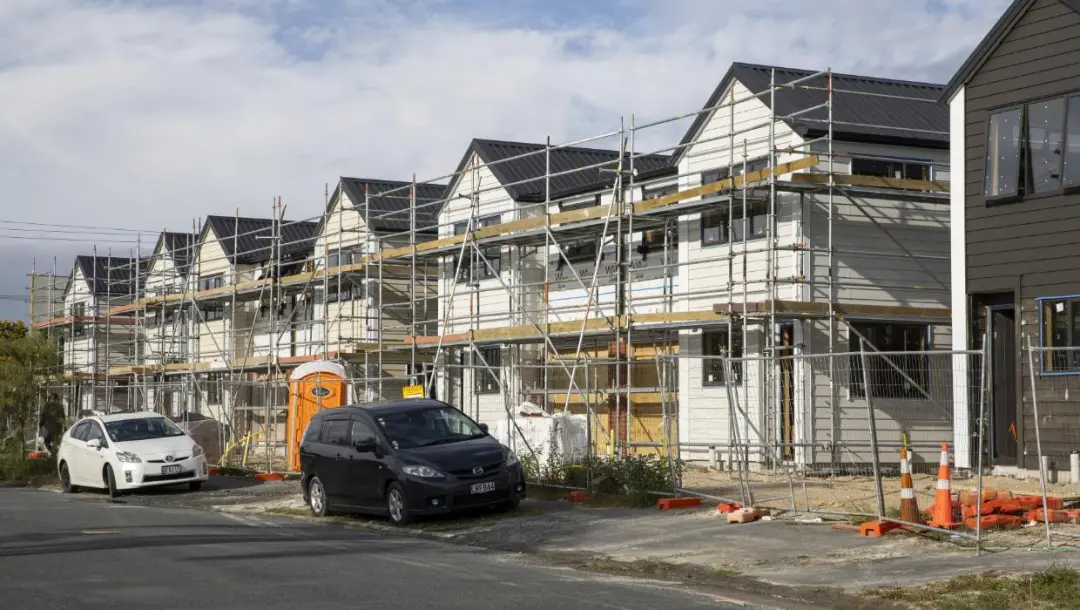
Just as New Zealand’s construction industry begins to show signs of recovery, a new pressure has quietly emerged. This time, it comes from costs, rather than demand.
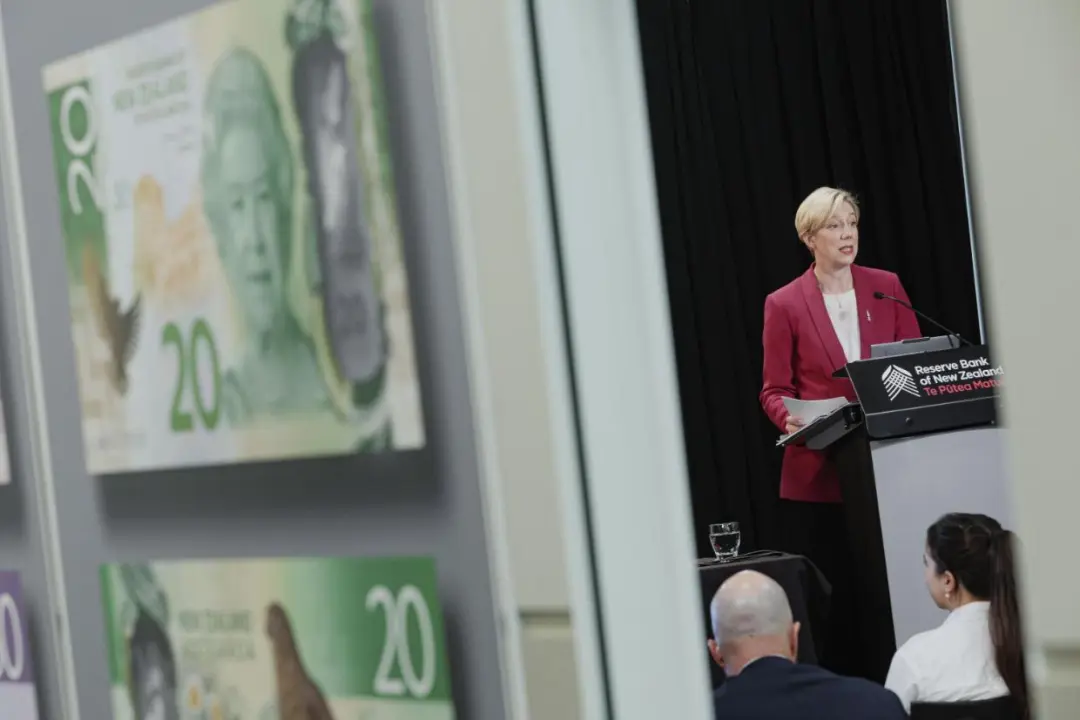
With inflation set to rise noticeably, the Reserve Bank of New Zealand has chosen to hold steady.
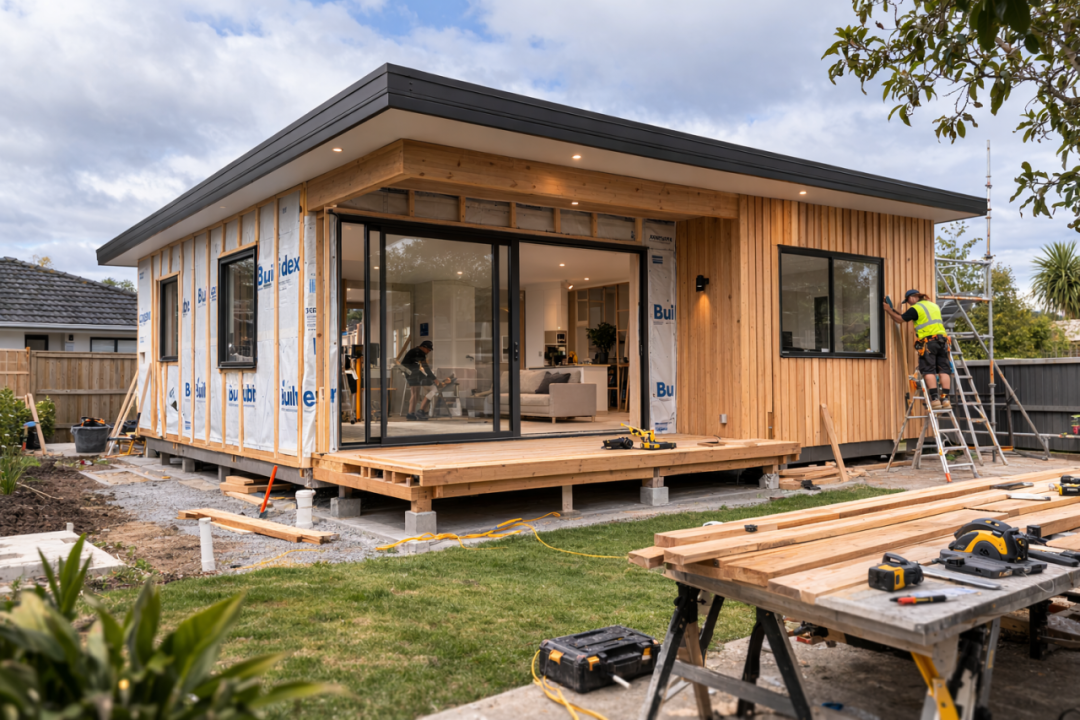
In January this year, the New Zealand Government amended the Building Act, formally removing the building consent requirement for small standalone dwellings under 70 square metres. The industry sees this policy change as an important step towards increasing housing supply, creating new opportunities for construction professionals in the design and construction of small homes.
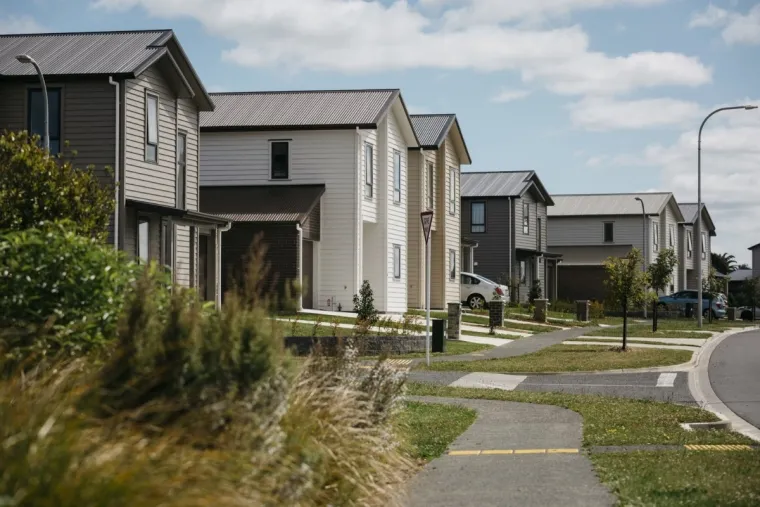
Expectations for New Zealand’s property market have quietly shifted recently.
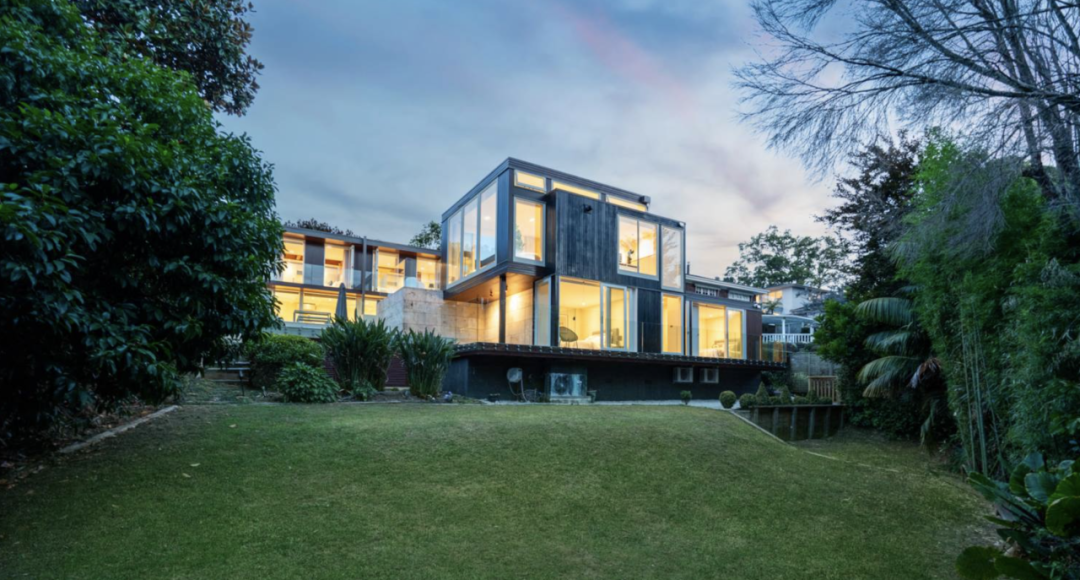
The New Zealand Government recently announced that overseas investors holding Active Investor Plus visas will be allowed to buy or build residential properties worth more than NZ$5,000,000. This is a tightly restricted exception, rather than a full return of overseas buyers to the market. The move is widely seen as a partial easing of the longstanding overseas buyer ban.
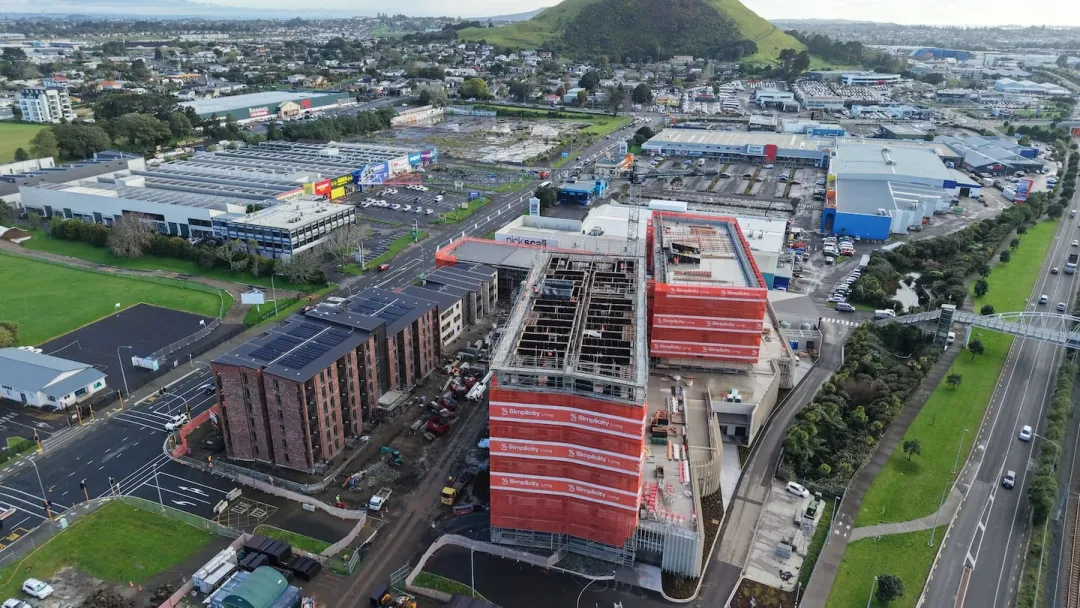
New Zealand’s property market did not see the recovery in the first quarter of 2026 that had been anticipated at the start of the year.

While the market continues to debate whether interest rates have peaked and when house prices will recover, more fundamental changes have quietly taken place within the construction industry.
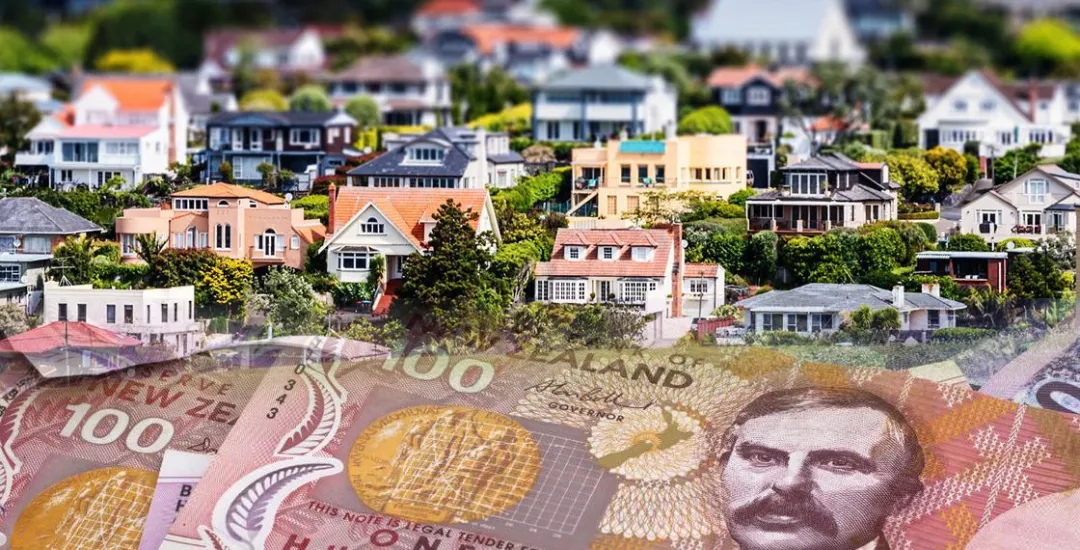
With policy easing, industry activity recovering and costs stabilising, New Zealand’s property market had been expected to see a modest recovery in 2026. However, the latest forecasts suggest house prices could fall this year, with market trends diverging significantly.

In New Zealand’s construction and property sector, a name long accustomed to working behind the drawings is becoming increasingly well known.
As tensions persist in the Middle East, uncertainty over global energy supplies is growing, and fuel prices have risen sharply in a short period. The ripple effects have already reached New Zealand, with petrol prices, and diesel prices in particular, continuing to climb.